
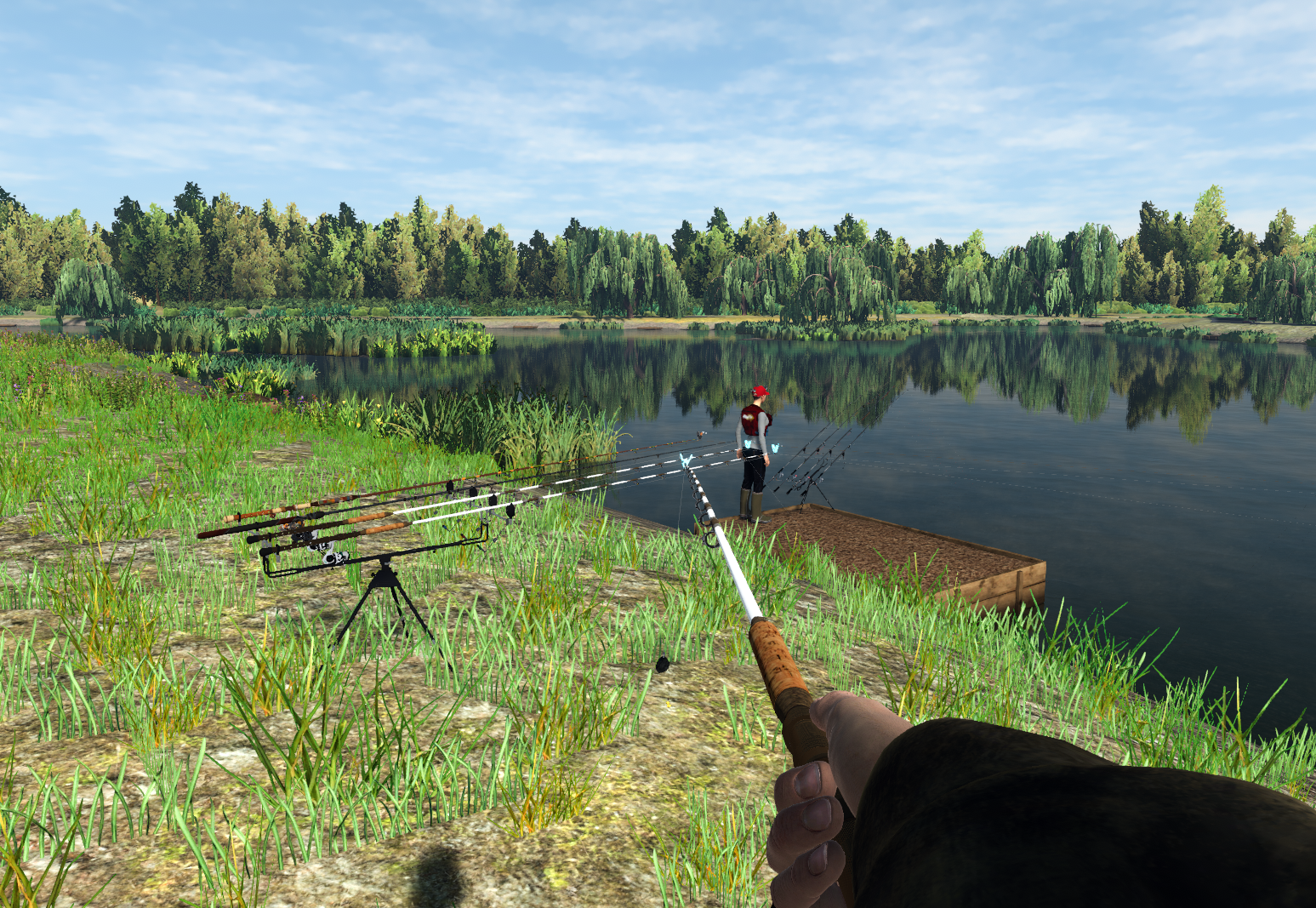
Weeping Willow Fisheries is the map I point people to when they reach Level 50 and want a break from saltwater. It is a freshwater carp complex in South East England, five still lakes and a river packed into one large site, and it is about as far from a 400 kg tuna as fishing gets. No boats, no crane, no billfish. Just carp, tench, bream, a handful of predators, and one very large catfish, all reachable from the bank. If you have come here off the ocean maps, this is a completely different kind of fishing from my Skårland Fjord setup guide, and a gentler day out than the endgame water at Kaiji No Ri. This guide is the overview: the lakes, the species, the licences, and how you actually approach each type of fish. The detailed spot by spot guides, with my own rigs, coordinates, and catches, come in separate articles for each species, and I will link them here as I publish them.
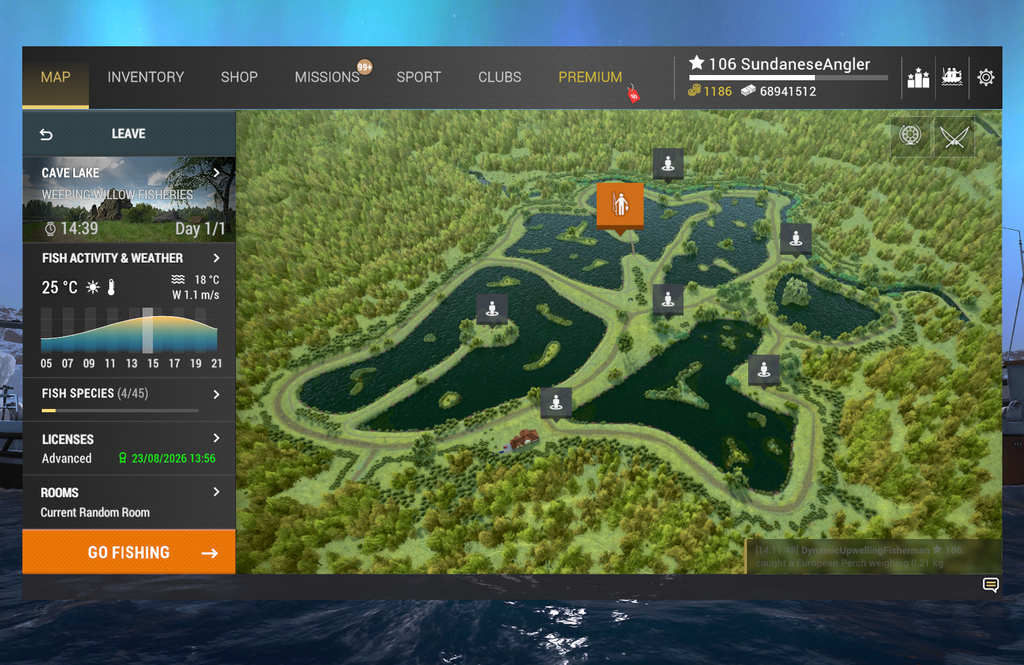
Weeping Willow at a Glance
This is a Level 50 map, so it unlocks right when a lot of players are looking for their first proper carp venue. It is a coarse and predator fishery, not a saltwater one, which changes everything about how you rig and what you chase. The whole complex is bank fishing. There is no boat fishing here at all, which surprises people coming off the ocean maps, so do not turn up expecting to launch a boat.
The site is split into seven fishing areas: five still lakes, one river, and a central administration hub with the tackle shop. My in-game species counter shows 45 fish available on the map in total, though the core resident roster you will actually be targeting is the fifteen I break down below. It fishes both day and night, and the mix of easy carp and one genuinely huge catfish means it stays interesting well past the first session.
Level and Licence
You need to be Level 50 to fish here, and there are two licences, both available from that level. The choice between them matters more than it looks.
The Basic Licence is cheaper but comes with real limits. Night fishing is forbidden on it, and it forces you to release the Trophy and Unique versions of most of the good species, which defeats the point if you are here to keep a personal best. The Advanced Licence costs more but removes those restrictions: you can fish at night, and you can keep what you catch. The one thing neither licence changes is boats, because boat fishing is forbidden here on both. I run the Advanced Licence on this map, and if you are serious about the Trophy carp or the catfish, you will want it too. Budget for the travel fee and the daily fishing fee on top of the licence itself.
The Seven Fishing Areas
The single most useful thing to understand before you pick a swim is that six of the seven areas are still water and one is a river, and that split decides your tackle. The still lakes are where you sit on carp, tench, and bream with bottom or feeder gear. The river is where you go active with a spinning rod for predators. Here is the quick version of each, with the detailed spots saved for the per-fish guides.
- Willow Lake: the oldest and smallest of the lakes, classic still water carp fishing with plenty of holes and features to find fish in.
- Golden Lake: a quieter still water known as the home of the Golden Tench, also holding carp and bream.
- Weeping Willow Administration: the central hub with the on-site tackle shop and facilities, sitting among the five lakes.
- Arbor Lake: one of the most popular still water carp swims on the complex, easy going and beginner friendly.
- Grasswickshire River: the only flowing water here, and the place you go for predators. Grab a spinning rod and target Northern Pike, European Perch, and Chub.
- Cave Lake: a large wetland with a small island in the middle and a varied underwater bottom, good for carp, tench, and bream.
- Bridges Lake: a maze of small islands linked by wooden bridges, full of structure and mixed coarse fish.
The Fish and How to Approach Them
Rather than list fifteen species and their bait tables, which you can read in game, it is more useful to group them by how you actually fish for them. Three groups cover the whole map: the carp family on the bottom, the predators on lures, and the catfish in a class of its own.
The Carp Family: Bottom and Feeder Fishing
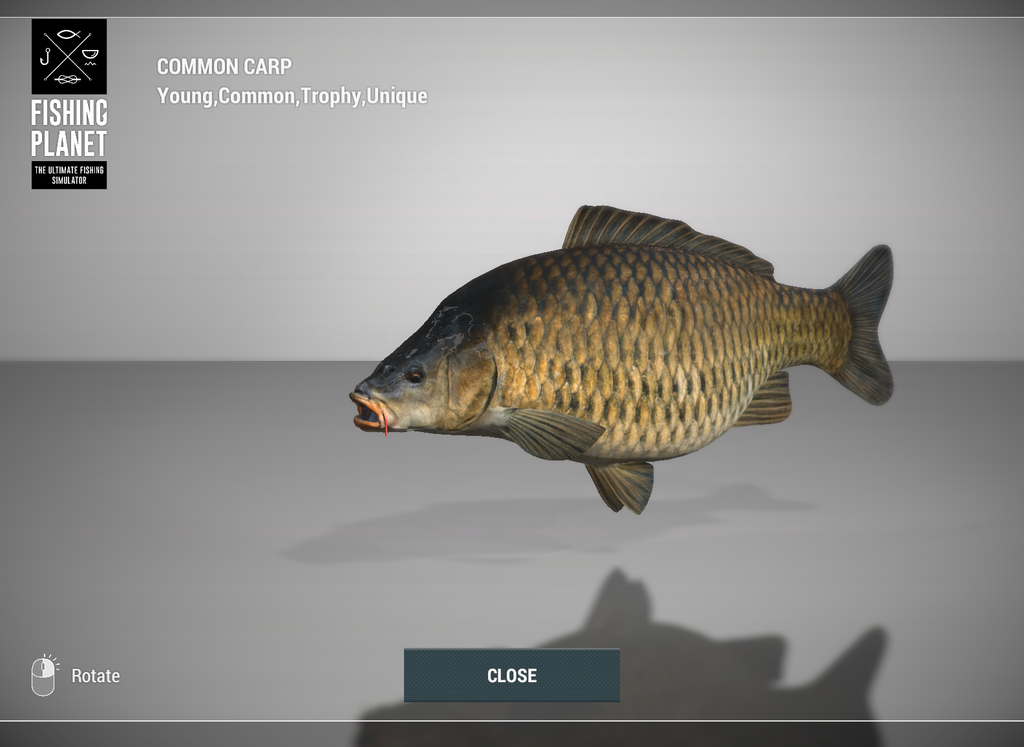
This is the heart of the map. The bulk of what you catch here are carp and their relatives, and they all fall to the same broad approach: a bottom or feeder rig sat on the lake bed, baited with standard carp offerings like corn, boilies, pellets, sweet peas, dough, and semolina. Get comfortable with one solid carp setup and you can catch most of this list without changing much.
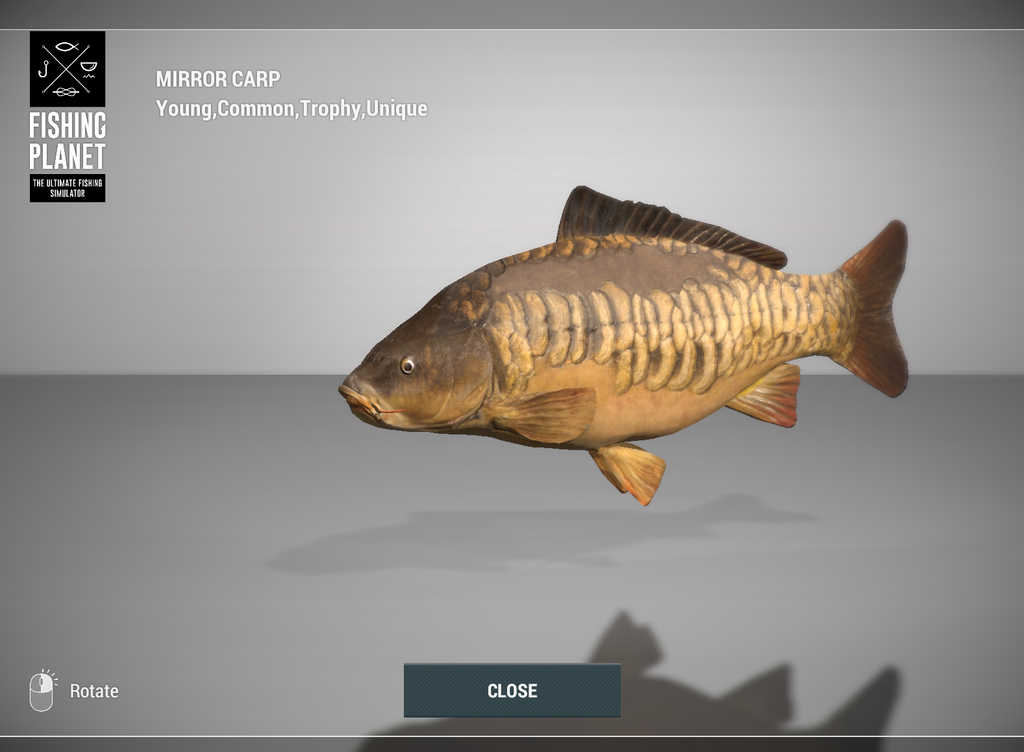
The carp variants are the stars. Common Carp is the workhorse and grows past 40 kg at the top end. Mirror Carp, with its patchy oversized scales, and Leather Carp, which is almost scaleless, are both prized cosmetic variants of the same fish. Ghost Carp is the pale, ghostly-coloured one that carp anglers love to land. Hybrid F1 Carp and the smaller Crucian Carp and Prussian Carp round out the family, and Grass Carp is the big herbivore that can top 20 kg for a Unique.
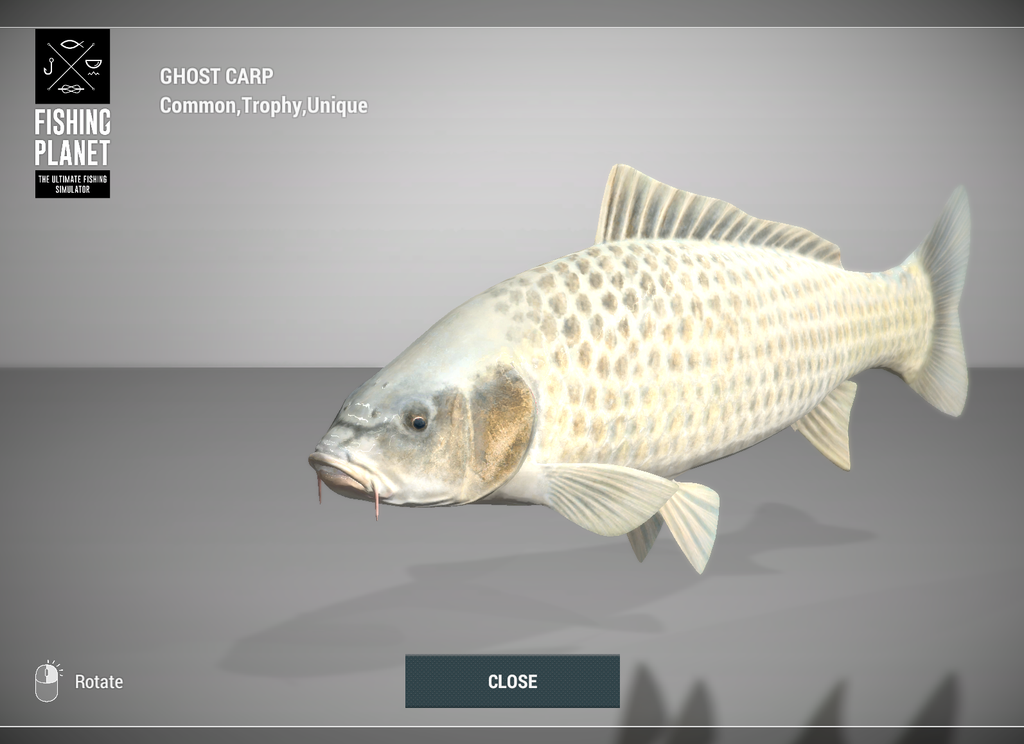
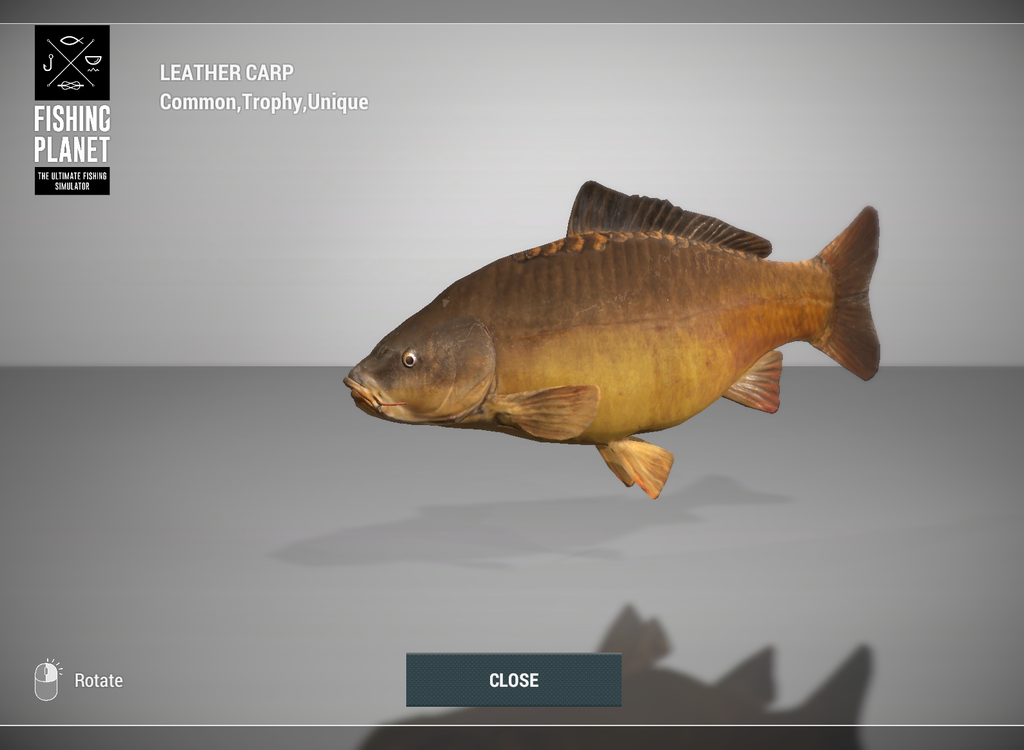
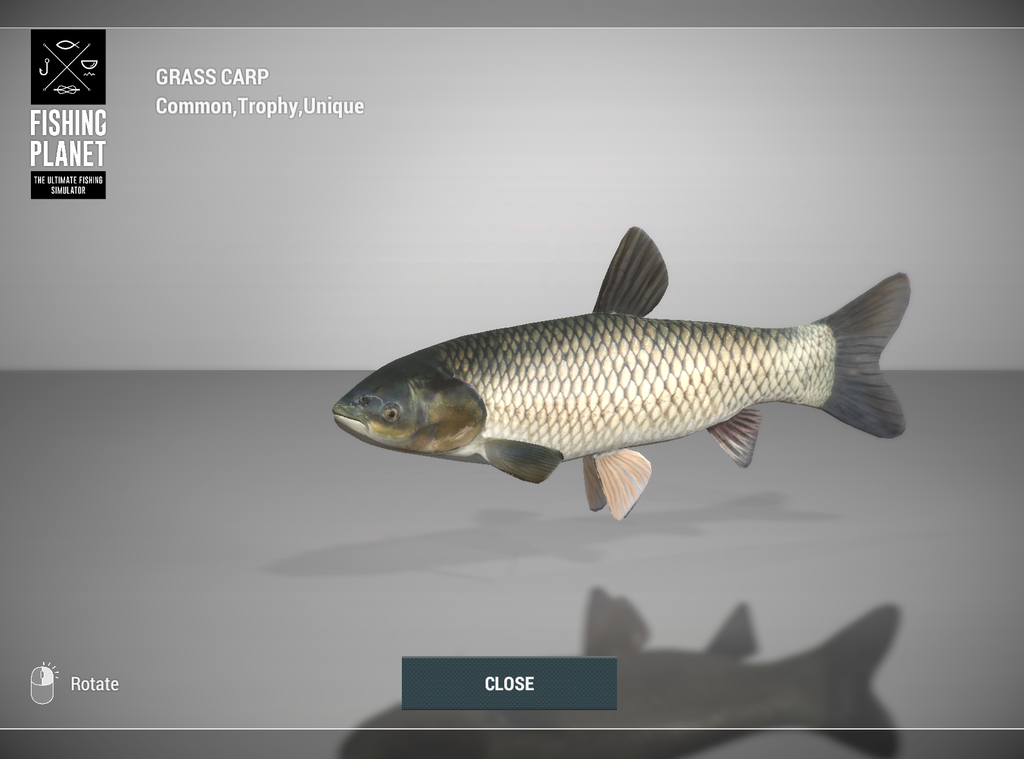
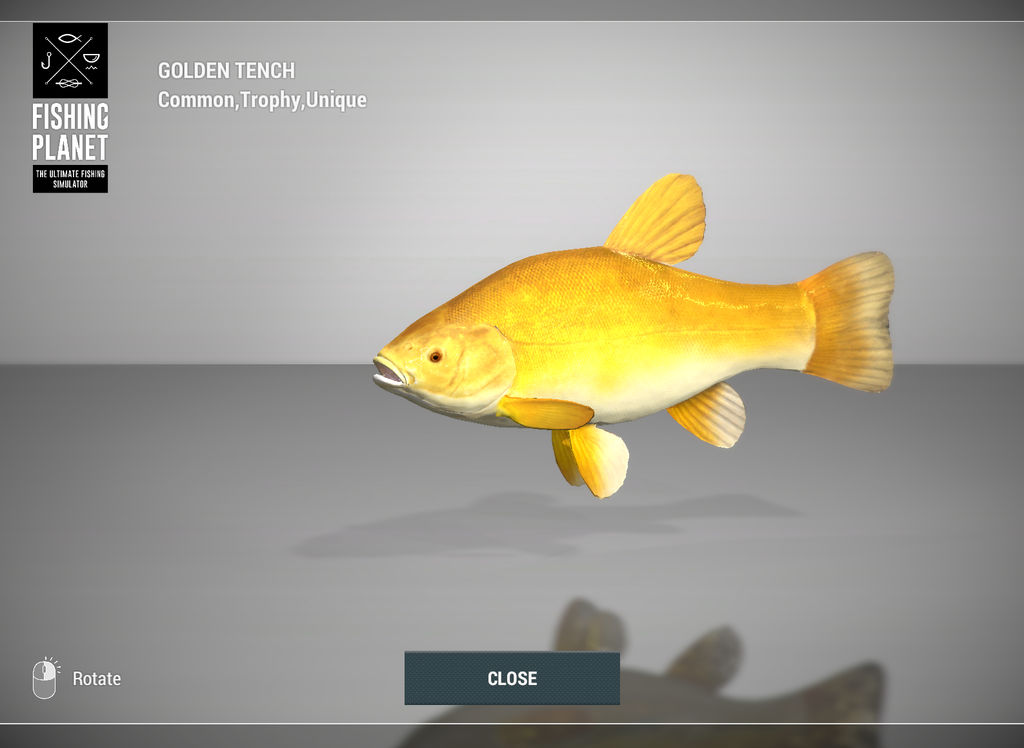
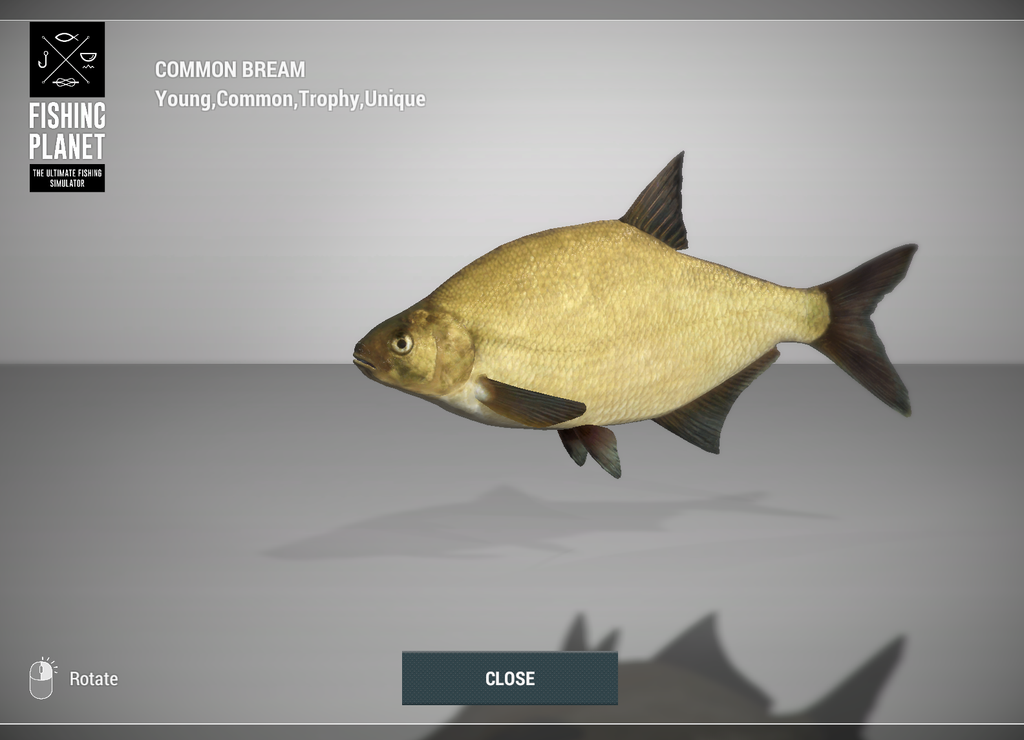
Alongside the carp sit the tench and bream, fished the same way but worth calling out. Tench and its ornamental cousin the Golden Tench are both nocturnal, so they reward a night session on the Advanced Licence, and they take worm and crawfish baits more than sweet carp baits. Common Bream shoals up and feeds close to the bank after dark. None of these are hard fish, which is exactly why this map is such a good place to learn the coarse side of the game.
The Predators: Spinning the River
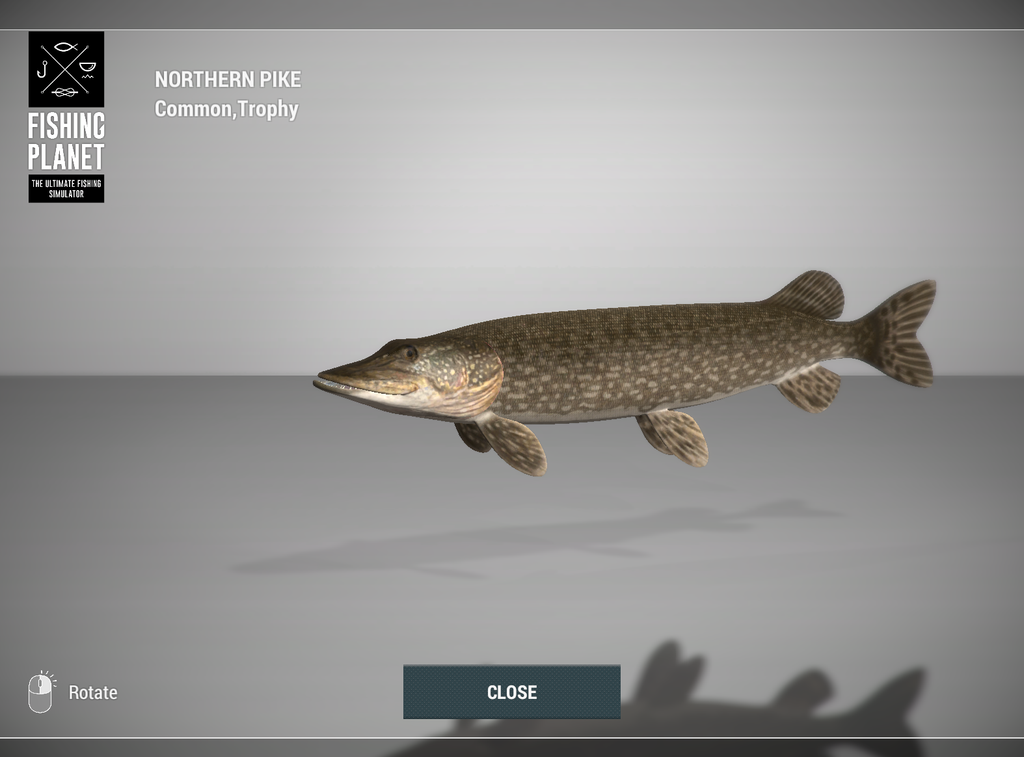
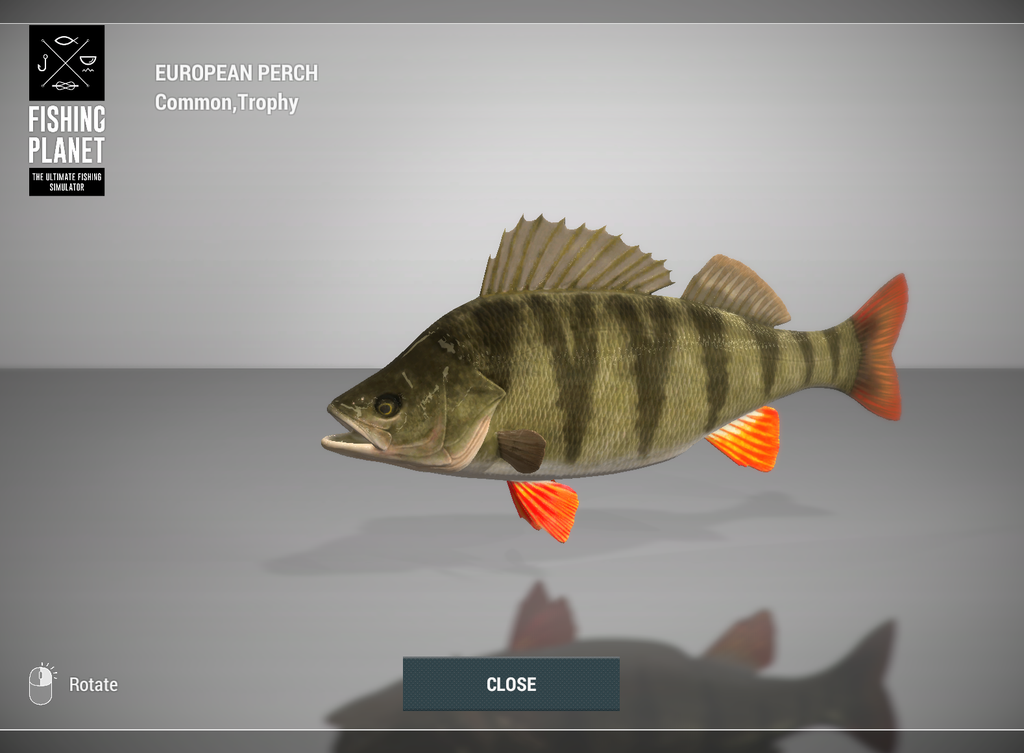
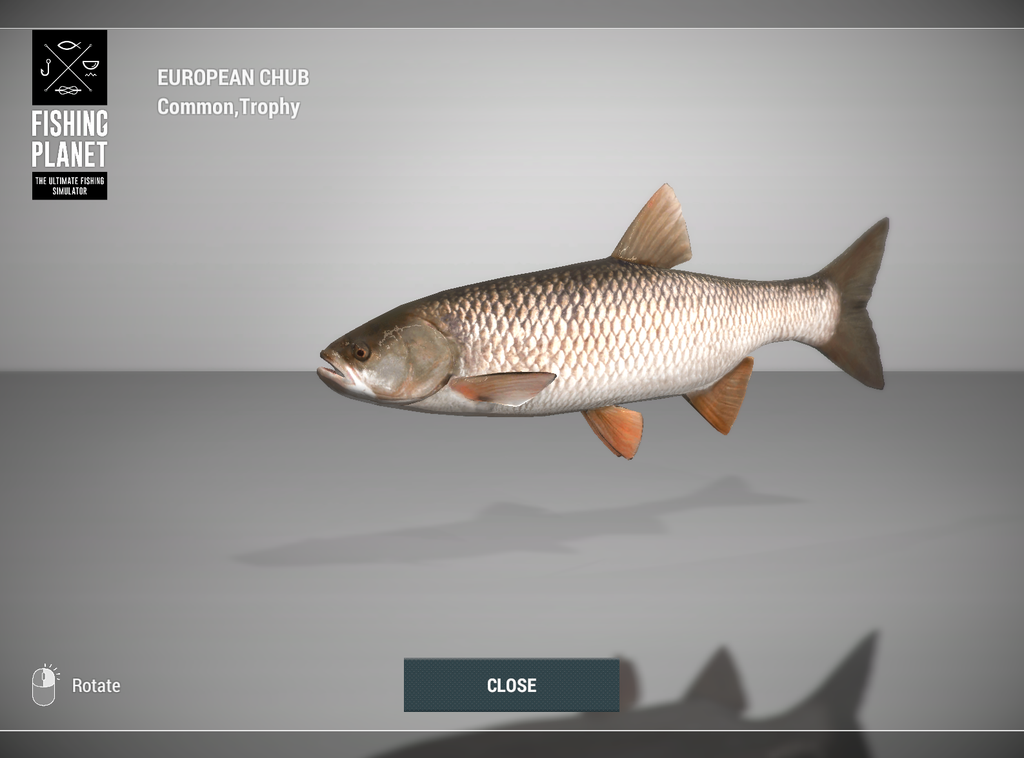
When you want a change from sitting on bait, head to Grasswickshire River and put on a spinning rod. The predators here hunt, so you cover water with lures instead of waiting. Northern Pike is the prize: it hits spoons, spinnerbaits, crankbaits, and jerkbaits hard and grows to a serious size, and because it has teeth you want a strong or wire leader so it does not bite you off. European Perch takes smaller spinners, softbaits, and worms, and Chub will chase small lures and insects. This one river is genuinely different fishing from the rest of the map, and it is why I would not skip it.
The Heavyweight: Wels Catfish
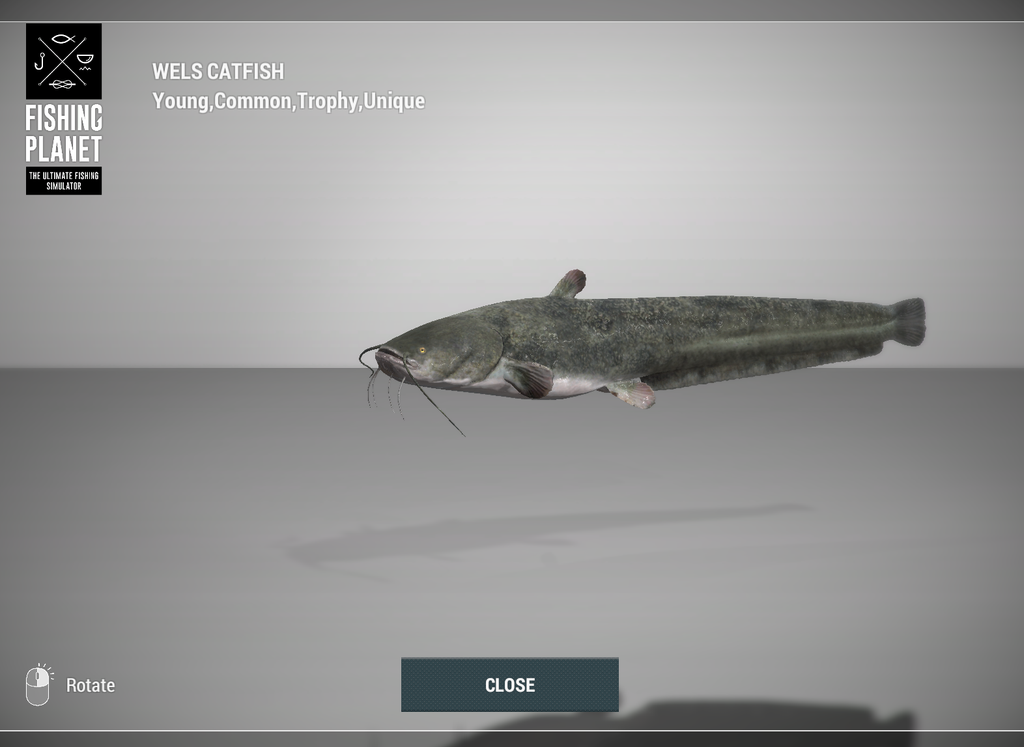
The Wels Catfish is the one fish here that plays in a different league. It can reach around 90 kg, which on a still water carp complex is enormous, and it feeds on the bottom in deep holes. You do not catch this on a light carp rig. It wants a strong bottom setup and a big bait like cutbait, large livebait, leeches, or frog, and it is most active in low light and at night, which is another reason to hold the Advanced Licence. If you hook one, expect a real fight from a fish that dwarfs everything else in these lakes. This is the trophy that keeps experienced anglers coming back to what is otherwise a gentle map.
Gear: What Class You Actually Need
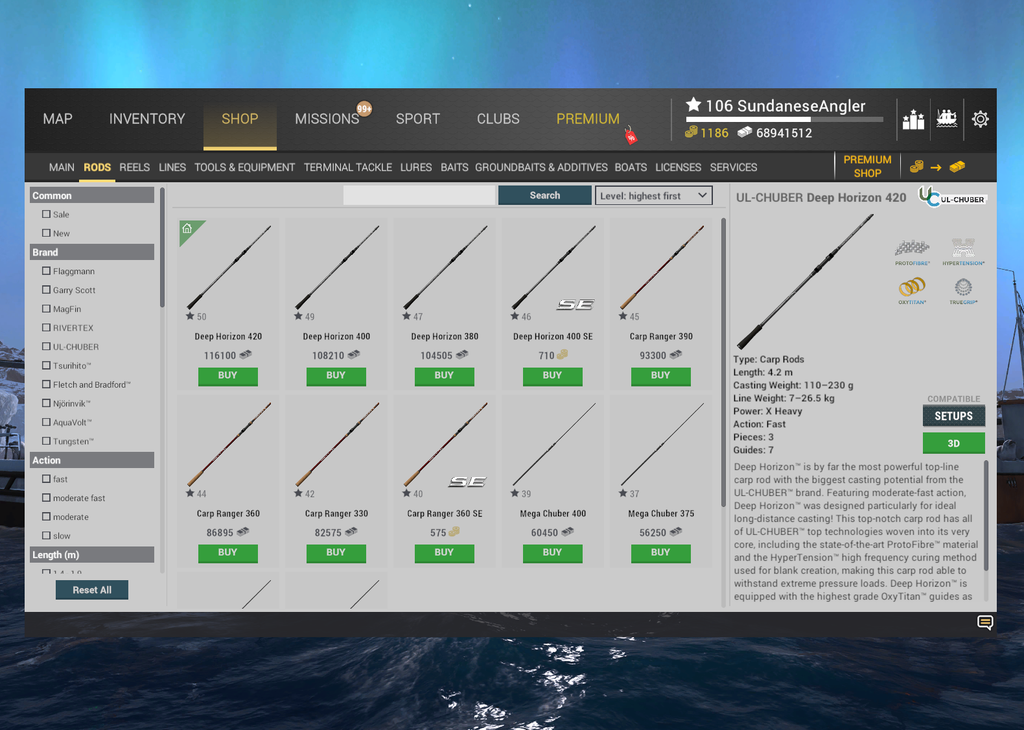
You do not need the most expensive rod in the shop to fish here, you need the right class of gear for each of the three jobs above. For the carp and tench, a dedicated carp or bottom rod with a matching baitrunner-style reel and a carp leader is all it takes, and the shop is full of options across every price. For the predators at the river, a spinning rod and reel with a small selection of spoons, spinners, and crankbaits, plus that all important leader for pike. For the Wels Catfish, step up to your strongest bottom rod, because 90 kg will find any weakness in under-rated tackle.
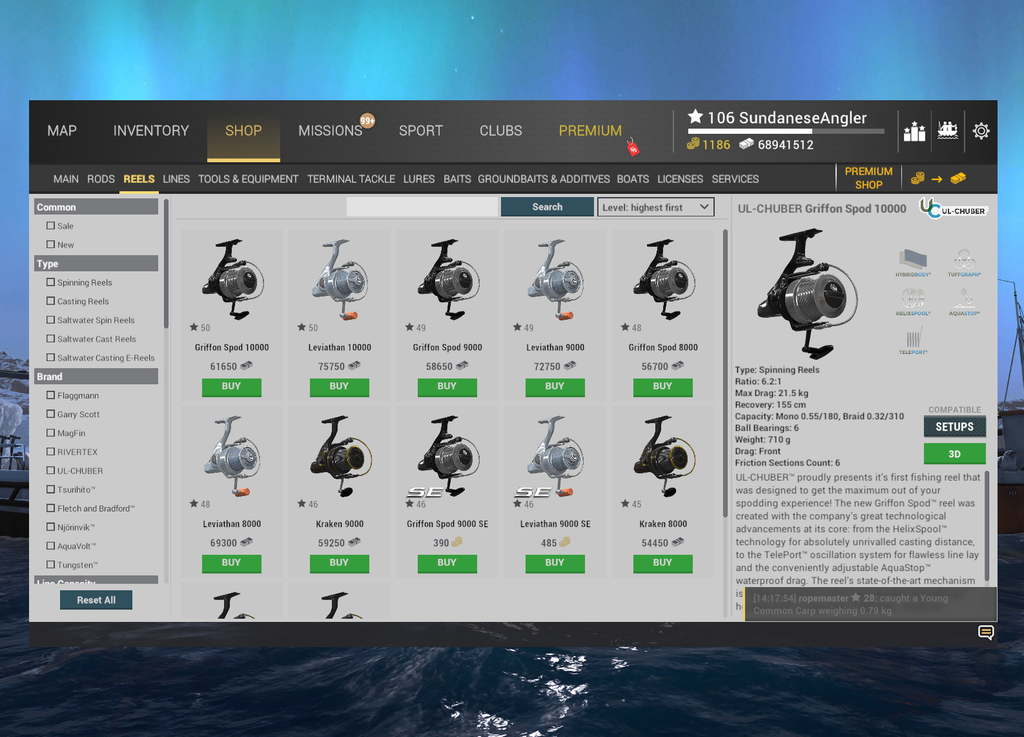
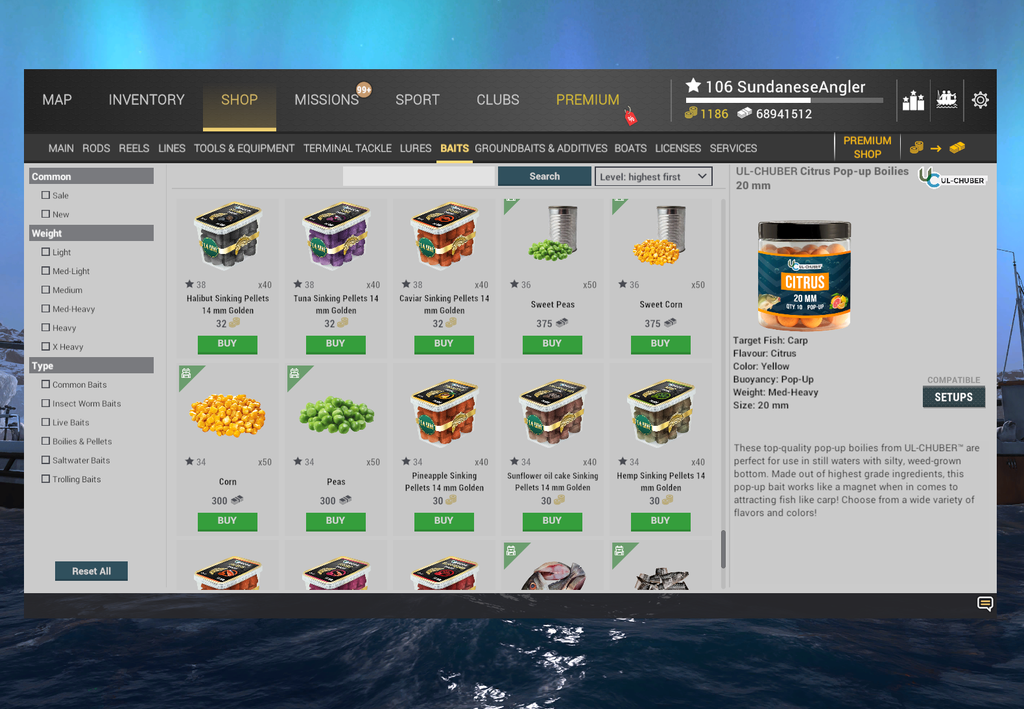
Exact rods, reels, lines, hooks, and the coordinates that produced fish for me all go in the individual species guides, so you can copy a setup that is proven rather than guessing from the shop.
Timing: Day and Night Both Fish
The complex fishes around the clock, but the two halves of the day suit different targets. Carp feed well through daylight, so a day session on the Basic or Advanced Licence covers most of the map. The night belongs to the fish that matter most for a personal best: the nocturnal tench and Golden Tench, the bream that come close after dark, and the Wels Catfish. That is the practical argument for the Advanced Licence, because night fishing is locked behind it. Check the map activity chart when you arrive and use it as a general guide to when the bite is strongest, keeping in mind it is a generalised read rather than a species specific promise.
Competitions and Tournaments
Weeping Willow runs several events worth knowing about if you want to compete rather than just fish. Jolly Carp is a carp weight competition where you try to land the heaviest combined catch. Lucky Ghost Carp challenges you to hunt down the Ghost Carp specifically. Grass Cutter Range is built around Grass Carp and rewards the biggest range or size difference. And the Mighty Carp Tour is a seasonal tournament with multiple stages that runs across several maps before finishing here. They are a good way to put the carp skills this map teaches to the test.
Individual Species Guides
This page is the overview. As I fish each species properly and bring back the spot, the rig, and the catch, I will publish a dedicated guide for it and link it here, the same way I did across my Skårland Fjord cluster. Check back as the list fills in, because that is where the exact coordinates, the tested rigs, and the honest payouts live.
Common Mistakes
Turning up expecting to boat fish. Both licences forbid boats here. This is a bank fishing map, so leave the boat mindset on the ocean maps.
Buying the Basic Licence then trying to keep a Trophy. Basic forces you to release the Trophy and Unique fish and blocks night fishing. If you want to keep a personal best or fish after dark, get the Advanced Licence.
Fishing the still lakes for predators. Pike, perch, and chub are river fish here. Take them at Grasswickshire River on a spinning rod, not on a carp rig in a lake.
Bringing a carp rig to the catfish. A 90 kg Wels will break light gear. Step up to your strongest bottom rod and a big bait before you target it.
Skipping night sessions. The tench, the bream, and the catfish all come alive after dark. If you only ever fish in daylight, you are missing the best of the map.